Our tungsten carbide rods are manufactured from high-quality virgin tungsten carbide powder and are designed for high-performance cutting tool production and precision machining applications.
These carbide rods are suitable for manufacturing end mills, drills, reamers, milling cutters and other solid carbide tools used for machining hardened steel and alloy materials in the HRC45-HRC55 hardness range.
With a carefully controlled combination of carbide grain size, cobalt content, hardness and transverse rupture strength, our rods provide an excellent balance of wear resistance, toughness and machining stability.
Our tungsten carbide rods can be used to manufacture:
For applications requiring high wear resistance and long tool life, our carbide rods provide a reliable substrate for high-performance cutting tools.
HRC45-HRC55 Carbide Rods for Hardened Material Machining
HRC45-HRC55 refers to the hardness range of workpiece materials that the carbide tools manufactured from these rods are designed to machine.
| Workpiece Hardness | Recommended Application | Carbide Rod Characteristics |
|---|---|---|
| HRC45-HRC48 | Roughing & semi-finishing | High toughness + wear resistance |
| HRC48-HRC52 | General milling | Balanced hardness and toughness |
| HRC52-HRC55 | High-speed finishing | Higher wear resistance |
| Above HRC55 | Hardened steel machining | Fine-grain / high-hardness grades |


Zhuzhou Century Tool supplies high-quality tungsten carbide rods designed for the manufacture of precision cutting tools used to machine hardened steel and alloy materials in the HRC45-HRC55 hardness range.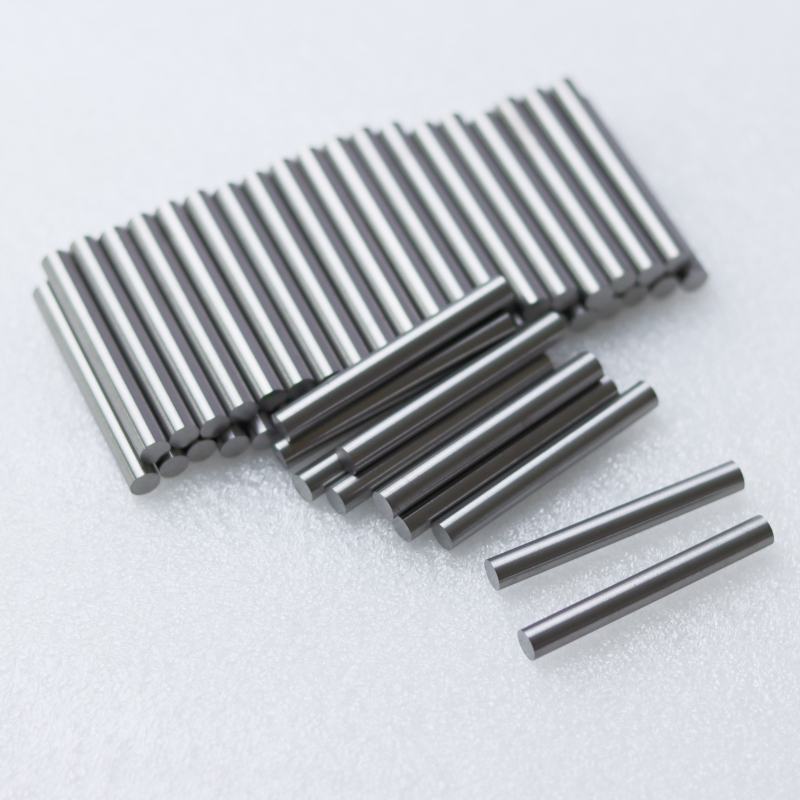
Our carbide rods provide a balanced combination of hardness, wear resistance, transverse rupture strength and toughness, making them suitable for demanding applications such as solid carbide end mills, drills, reamers and customized cutting tools.
The appropriate carbide grade should be selected according to the workpiece material, hardness, cutting speed, feed rate, tool geometry and machining conditions.

The term HRC45-HRC55 carbide rods generally refers to tungsten carbide rods selected for manufacturing cutting tools that are intended to machine workpiece materials with a hardness of approximately HRC45 to HRC55.
The actual machining capability does not depend on the carbide rod alone. Tool geometry, carbide grade, coating, machine rigidity, cutting parameters and workpiece material all affect tool performance.
For this reason, selecting the correct carbide substrate is important when manufacturing tools for hardened steel and other difficult-to-machine materials.
| Application | Typical Workpiece | Recommended Rod Characteristics |
|---|---|---|
| Hardened steel milling | HRC45-HRC50 steel | Balanced hardness and toughness |
| Hardened steel finishing | HRC50-HRC55 steel | High wear resistance |
| Mold & die machining | Hardened tool steel | Fine grain / high hardness |
| Precision drilling | Alloy steel & hardened steel | High strength and edge stability |
| End mill manufacturing | Hardened steel & alloys | Wear resistance + toughness |
| Customized cutting tools | Various difficult materials | Grade selected according to application |
Different machining applications require different combinations of hardness, toughness and wear resistance.
For HRC45-HRC55 machining applications, we recommend selecting the carbide grade according to the tool type and cutting conditions rather than choosing a grade based only on hardness.
| Carbide Grade | Grain Size | Hardness | TRS | Recommended Application |
|---|---|---|---|---|
| CT20 | Fine grain | 91.5HRA | 3600 MPa | It is used to make tool of drills and end mills for general machining for alloy steel with less than 50HRC. |
| CT20F | Sub-micron | 91.8HRA | 3800 MPa | HRC45-HRC50 machining |
| CT25 | Fine / ultra-fine | 92.5 HRA | 3900 MPa | HRC50-HRC55 finishing |
| CT10 | Customized | 94 HRA | 4000MPa | Ultrafine grain size,higher wear resistant endmill and engraving tools,PCB and plasitc machining. |
Note: Customized material grades' actual hardness, TRS and composition depend on the selected carbide grade. Please contact Zhuzhou Century Tool for the recommended grade according to your application.
Machining materials in the HRC45-HRC55 range places greater demands on the cutting tool substrate.
A suitable tungsten carbide rod should provide enough hardness to resist abrasive wear while maintaining sufficient toughness to reduce the risk of chipping and premature tool failure.
Our carbide rods are manufactured with controlled carbide powder composition and sintering processes to provide consistent material properties for cutting tool production.
High wear resistance helps carbide tools maintain their cutting edge during continuous machining of hardened materials.
A suitable carbide substrate provides the hardness required for high-speed cutting and finishing operations.
Adequate transverse rupture strength helps the tool withstand cutting forces and intermittent machining conditions.
Excessively hard carbide can become more susceptible to chipping under unstable machining conditions. A balanced carbide grade can provide better reliability.
Consistent carbide powder quality, forming and sintering are important for producing carbide rods with stable performance from batch to batch.
Our tungsten carbide rods can be used as blanks for manufacturing solid carbide end mills for hardened steel, alloy steel, stainless steel, cast iron and other engineering materials.
Depending on the application, carbide rods can be supplied for:
For HRC45-HRC55 applications, the final tool performance depends on the combination of carbide substrate + coating + tool geometry + cutting parameters.
Tungsten carbide rods are also widely used for manufacturing solid carbide twist drills and other precision drilling tools.
For hardened steel drilling, the carbide substrate needs to provide a suitable balance of:
Hardness + toughness + wear resistance + edge stability
Different rod grades can be selected according to hole diameter, drilling depth, workpiece hardness, coolant conditions and machine stability.
We can supply tungsten carbide rods in different surface conditions according to your tool manufacturing requirements.
Ground rods provide tighter dimensional tolerances and a smoother surface for precision tool manufacturing.
They are commonly used for:
Unground rods can provide a more economical solution for customers who perform subsequent grinding and sizing processes themselves.
Depending on your manufacturing requirements, carbide rods can be supplied in various diameters and lengths.
Typical applications include:
| Diameter Range | Typical Application |
|---|---|
| Small diameter | Micro drills / precision tools |
| Medium diameter | End mills / drills |
| Large diameter | Heavy-duty milling tools |
| Customized | Special cutting tool production |
Available diameter, length, tolerance and surface condition can be customized according to customer requirements.
Selecting a carbide rod should not be based on workpiece hardness alone.
We recommend considering the following factors:
Determine whether the material is:
For hardened steel applications, confirm whether the actual hardness is:
HRC45 → HRC50 → HRC55
The higher the hardness, the greater the requirements for wear resistance and cutting-edge stability.
Choose the grade according to the required balance of hardness, toughness and wear resistance.
The same carbide rod may perform differently depending on:
For HRC45-HRC55 machining, an appropriate coating can further improve wear resistance and tool life.
Our carbide rods are manufactured through controlled powder metallurgy processes.
High-quality tungsten carbide powder and binder materials are prepared according to the selected grade.
↓
The raw materials are mixed and milled to achieve a consistent composition and particle distribution.
↓
The mixed powder is processed into suitable granules for stable forming.
↓
The carbide powder is formed into rods according to the required diameter and geometry.
↓
The green rods undergo controlled sintering to achieve the required density and mechanical properties.
↓
Where required, the rods are centerless ground to achieve accurate dimensions and surface quality.
↓
Finished rods are inspected for dimensional accuracy, density, hardness, transverse rupture strength and surface quality.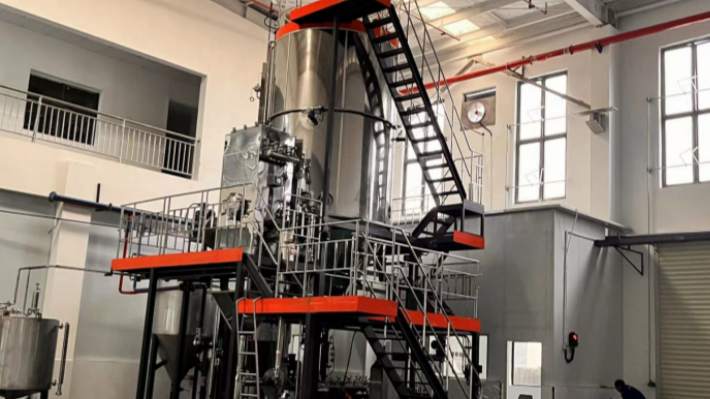
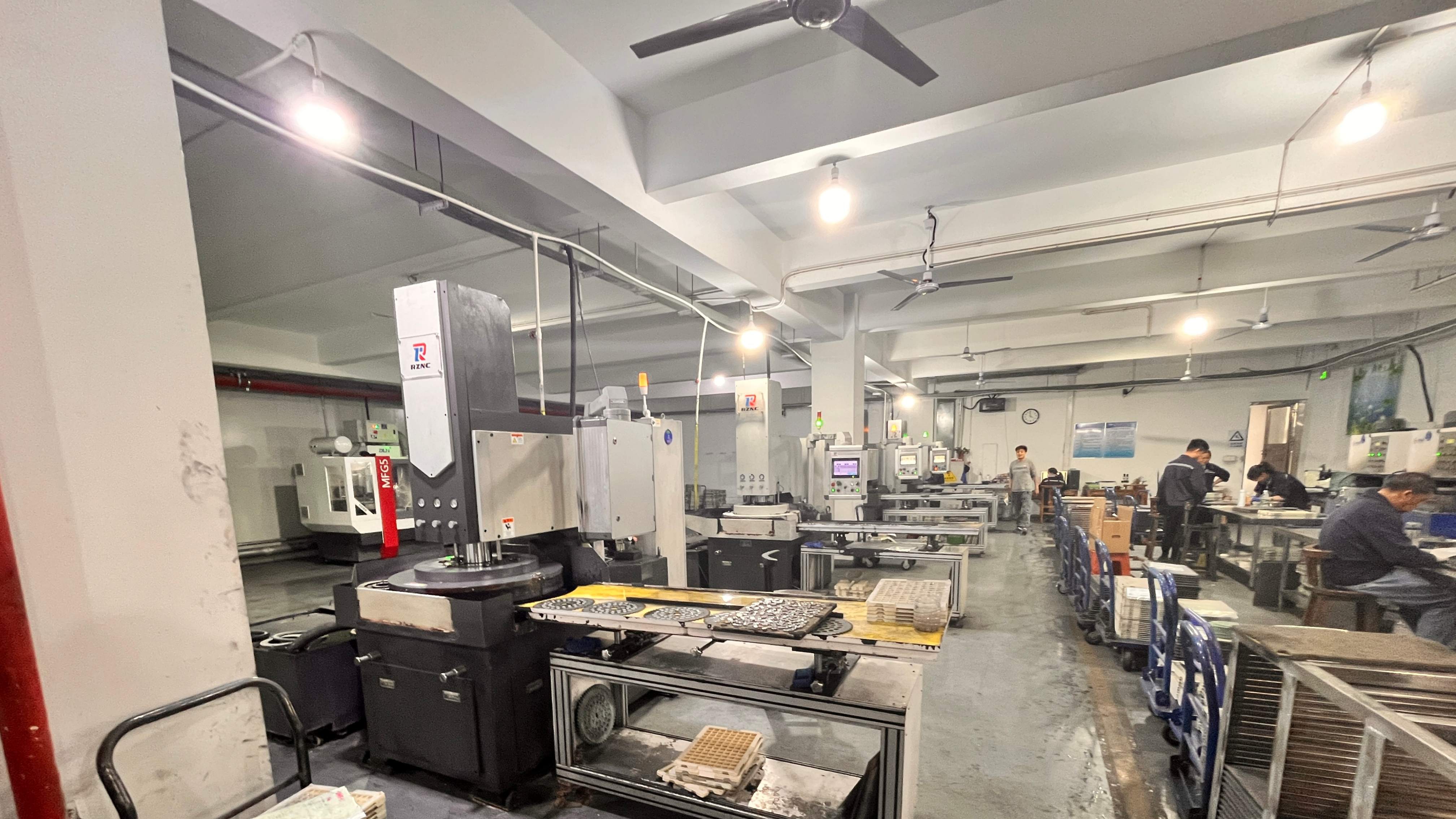
For carbide rods used in high-performance cutting tools, material consistency is critical.
Our inspection process can include:
For customized carbide grades, inspection requirements can be discussed according to the customer's application and technical specifications.
Zhuzhou Century Tool supports OEM and customized carbide rod requirements for cutting tool manufacturers and industrial users.
Customization may include:
If you already have a carbide grade specification or drawing, send us the requirements and our team can recommend a suitable carbide rod solution.
HRC45-HRC55 carbide rods are tungsten carbide tool blanks used to manufacture cutting tools designed for machining workpiece materials with hardness in approximately the HRC45-HRC55 range.
Yes, suitable carbide grades and properly designed cutting tools can be used for HRC55 hardened steel applications. Actual performance depends on tool geometry, coating, cutting parameters and machine conditions.
There is no single grade that is optimal for every HRC45-HRC55 application. Grade selection should consider workpiece material, cutting conditions, tool geometry and required tool life.
Yes. Tungsten carbide rods are commonly used as blanks for solid carbide end mills.
Yes. Suitable carbide rods can be used to manufacture solid carbide twist drills and precision drilling tools.
Ground rods have a more accurate diameter and smoother surface, making them suitable for precision tool manufacturing. Unground rods are generally used where the customer performs additional grinding.
Yes. Customized carbide grades and rod specifications can be developed according to the required hardness, toughness, wear resistance and application.
Yes. Coolant-hole carbide rods can be supplied for applications requiring internal coolant delivery.
The most useful information includes diameter, length, tolerance, carbide grade, ground/unground condition, coolant-hole requirements and estimated order quantity.
Typical applications include hardened steel milling, die and mold machining, drilling, finishing and manufacturing of solid carbide cutting tools.
Zhuzhou Century Tool is located in Zhuzhou, China, a major manufacturing center for tungsten carbide and cutting-tool products.
We provide carbide rods and other carbide products for customers involved in:
Our technical team can help customers select a suitable carbide grade according to workpiece material, hardness, tool design and machining conditions.
Contact us for carbide rod grades, specifications and OEM requirements.